Ivermectin 1% Cream: Uses, Application, and Skin Care Considerations
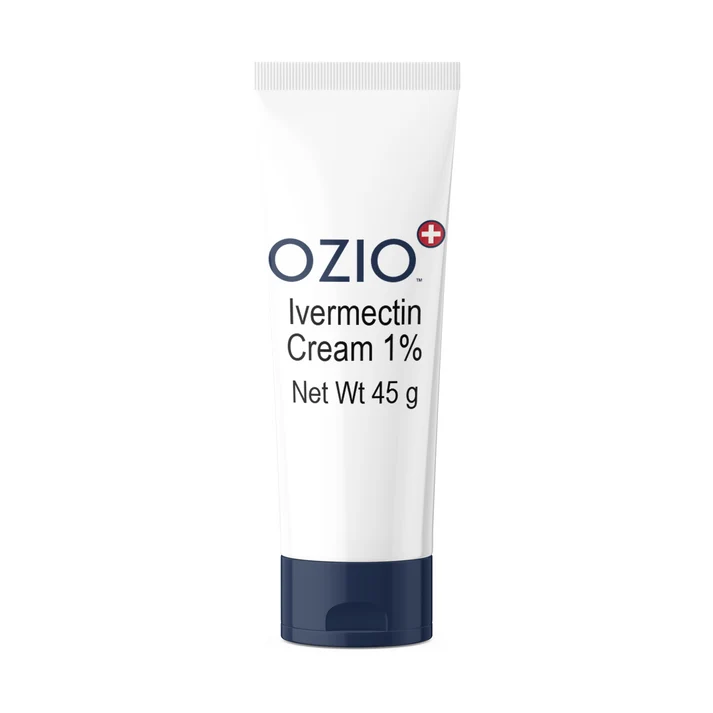
Managing facial redness and inflammatory bumps can be challenging, especially when symptoms are persistent. If you are researching ivermectin 1 cream online, it is useful to understand what this topical medicine is designed to treat, how it is generally used, and what precautions should be considered.
Ivermectin 1% cream is a topical prescription medicine indicated for inflammatory lesions associated with rosacea. Each gram contains 10 mg of ivermectin, equivalent to a 1% concentration.
🌿 What Is Ivermectin 1% Cream?
Ivermectin cream is a topical medication formulated for application to the skin. Unlike oral ivermectin tablets, this formulation is intended specifically for topical use.
The approved indication for ivermectin 1% cream is the treatment of inflammatory lesions of rosacea. Rosacea is a chronic skin condition that can cause facial redness, bumps, and other visible changes.
Because facial skin can be sensitive, treatment should be used according to professional instructions. Applying more cream than recommended does not necessarily provide better results and may increase the possibility of irritation.
🧴 Understanding Ivermectin Cream 1 Percent
The term 1% refers to the concentration of ivermectin in the cream. According to the prescribing information, each gram contains 10 mg of ivermectin.
This concentration has been formulated for topical application rather than oral use. Patients should therefore use the cream only as directed and should not substitute it for ivermectin tablets or other formulations.
When researching treatments in India, it is useful to check the exact formulation and strength because ivermectin is available in multiple forms. A healthcare professional or pharmacist can help confirm whether a particular product is appropriate for the intended use.
🌸 How Is It Used for Rosacea?
Ivermectin 1% cream is indicated for inflammatory lesions associated with rosacea. The prescribing information recommends applying it to affected areas of the face once daily.
The recommended application involves a small amount spread as a thin layer over affected areas. The product information specifically describes using a pea-sized amount for each affected facial area, such as the forehead, chin, nose, and cheeks.
Patients should follow their healthcare professional’s instructions because individual treatment recommendations may vary.
🧑⚕️ Why a Skin Evaluation Can Help
Facial redness and bumps can result from several different skin conditions. Rosacea, acne, dermatitis, allergic reactions, and other problems may sometimes look similar.
A healthcare professional can examine the skin and determine whether ivermectin cream is an appropriate treatment. This can help prevent unnecessary use of a prescription medicine for a condition that requires another approach.
Someone seeking dermatological care in Delhi, for example, may benefit from discussing persistent facial symptoms with a qualified dermatologist before beginning treatment.
🧼 Applying the Cream Correctly
When prescribed, ivermectin cream should be applied according to the directions provided by the healthcare professional and product instructions.
The cream should be spread smoothly in a thin layer over the affected facial areas. The prescribing information states that contact with the eyes and lips should be avoided.
It is also important to remember that ivermectin cream is intended for topical use. It should not be swallowed or applied inside the eyes or other areas for which it has not been prescribed.
Following the recommended application routine can help patients use the medicine consistently without unnecessarily applying excessive amounts.
⚠️ Possible Skin Reactions
As with other topical medicines, ivermectin cream can cause unwanted reactions. Clinical trials identified skin burning sensations and skin irritation among the most common adverse reactions, although these occurred at a relatively low frequency.
Patients should monitor their skin after beginning treatment and discuss persistent or concerning reactions with their healthcare professional.
If significant irritation develops, patients should not automatically increase, decrease, or discontinue treatment without seeking appropriate advice. A healthcare professional can determine whether the reaction is expected or requires a change in treatment.
🔍 Tell Your Doctor About Your Skin Products
Before starting ivermectin cream, it can be useful to tell your dermatologist about other products used on the face. This may include cleansers, moisturizers, acne treatments, exfoliants, prescription medicines, and cosmetic products.
Using several active skincare products at the same time may sometimes contribute to irritation. A healthcare professional can advise whether certain products should be adjusted while using ivermectin cream.
Keeping a simple skincare routine can also make it easier to identify potential sources of irritation.
🛒 What to Consider When Buying Online
Online access can make it convenient to research prescription skincare products, but consumers should still verify product details carefully. Check the medicine name, concentration, formulation, packaging, manufacturer information, and applicable prescription requirements.
If you are considering treatment in Mumbai, for example, avoid assuming that every online listing is suitable simply because it contains the words “ivermectin cream.”
Products with unclear labeling, questionable claims, or uncertain origins should be approached cautiously. A pharmacist or healthcare professional can help answer questions about a product before it is used.
🧴 Ivermectin Cream vs. Other Ivermectin Products
Ivermectin is available in different formulations, including oral tablets and topical creams. These products are not interchangeable.
A topical ivermectin 1% cream is specifically formulated for application to the skin, while oral ivermectin tablets are designed for systemic treatment of certain parasitic infections. The appropriate formulation depends on the medical condition being treated.
Patients should therefore avoid substituting one ivermectin product for another without professional guidance.
🌎 Is Ivermectin Cream Suitable for Everyone?
Not every person with facial redness or bumps will need ivermectin cream. The product is specifically indicated for inflammatory lesions associated with rosacea, so the underlying diagnosis matters.
People who are pregnant, breastfeeding, using multiple medicines, or managing other health conditions should discuss their circumstances with a healthcare professional before beginning treatment.
Parents and caregivers should also seek professional advice before considering topical prescription treatments for children, particularly because the safety and effectiveness of SOOLANTRA in children have not been established in the U.S. prescribing information.
📋 Questions to Ask a Healthcare Professional
Before starting ivermectin cream, consider asking:
- Is my skin condition rosacea?
- Is ivermectin 1% cream appropriate for my symptoms?
- How much cream should I apply?
- How often should I use it?
- Which areas of my face should I avoid?
- Can I continue using my existing skincare products?
- What side effects should I monitor?
- When should I contact a healthcare professional?
Having clear answers can make the treatment routine easier to follow.
📦 Proper Storage and Handling
Medication should be stored according to the instructions provided with the product. For SOOLANTRA, the U.S. prescribing information recommends storage at room temperature between 20°C and 25°C, with permitted excursions between 15°C and 30°C.
Keep the cream in its original packaging and away from children. Patients should also check the product before use and avoid using medicine if the packaging appears damaged or the product has changed unexpectedly.
✅ Final Thoughts
Ivermectin 1% cream is a topical prescription treatment indicated for inflammatory lesions associated with rosacea. It is formulated for skin application and should be used according to professional instructions.
Whether you are researching ivermectin in Pune, India, or another location, responsible skincare treatment starts with an accurate diagnosis and reliable product information. Use the cream only as directed, avoid contact with the eyes and lips, and speak with a qualified healthcare professional if you experience significant irritation or have questions about whether the treatment is right for you.
