Heat Pump AC Unit: A Comprehensive Guide to Efficient Heating and Cooling
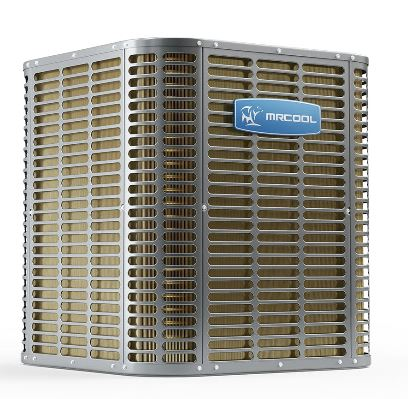
In today’s world, energy efficiency and environmental sustainability are top priorities for homeowners looking to heat and cool their homes. One of the most versatile solutions is the heat pump AC unit. Unlike traditional HVAC systems, heat pumps provide both heating and cooling functions in a single unit, offering year-round comfort with impressive energy savings. This article will explore what heat pump AC units are, how they work, their benefits, types, and tips for choosing the right system for your home.
1. What is a Heat Pump AC Unit?
A heat pump AC unit is a heating and cooling system that transfers heat from one location to another using electricity. Instead of generating heat like traditional furnaces or boilers, it extracts heat from the air, water, or ground and distributes it throughout your home.
a. Dual Functionality
One of the standout features of a heat pump AC unit is its ability to reverse its operation. In summer, it functions as an air conditioner, removing heat from your home and expelling it outside. In winter, it reverses the process, extracting heat from the outdoor environment and bringing it indoors.
b. Eco-Friendly Operation
Heat pumps are considered environmentally friendly because they rely on electricity and do not burn fossil fuels, reducing greenhouse gas emissions compared to traditional heating systems.
2. How Does a Heat Pump Work?
Heat pumps operate on the principles of heat transfer and refrigerant cycles. Here’s a simplified explanation of how they work:
a. Cooling Mode
In cooling mode, the heat pump absorbs heat from the indoor air through the evaporator coil. The refrigerant captures this heat and carries it to the outdoor condenser coil, where it is released into the outside air.
b. Heating Mode
In heating mode, the heat pump extracts heat from the outside air (even in cold weather) and transfers it indoors. The refrigerant plays a key role in absorbing and releasing heat efficiently, even in subfreezing temperatures.
c. Efficiency Through Heat Transfer
Since heat pumps move heat rather than generate it, they are significantly more energy-efficient than traditional heating and cooling systems.
3. Benefits of a Heat Pump AC Unit
Heat pump AC units offer numerous advantages that make them an appealing choice for homeowners.
a. Energy Efficiency
Heat pumps are highly efficient, with some models achieving energy efficiency ratings of up to 400%. This means they can produce up to four units of heating or cooling for every unit of electricity consumed.
b. Year-Round Comfort
With their ability to heat and cool, heat pumps provide a single solution for maintaining a comfortable indoor temperature throughout the year.
c. Cost Savings
Although the initial installation cost may be higher, heat pumps can save you money on energy bills in the long run due to their efficiency.
d. Eco-Friendly Technology
By relying on electricity and utilizing renewable energy sources like air, water, or ground heat, heat pumps reduce carbon footprints and support sustainable living.
e. Quiet Operation
Many modern heat pumps operate quietly, ensuring minimal disruption to your home environment.
4. Types of Heat Pump AC Units
Heat pumps come in various types, each designed for specific applications and climates. Understanding the differences can help you select the best option for your needs.
a. Air-Source Heat Pumps
- These are the most common and affordable type of heat pumps.
- They extract heat from the outside air and are suitable for moderate climates.
b. Ground-Source (Geothermal) Heat Pumps
- These systems use heat from the ground, providing higher efficiency and consistent performance.
- They are more expensive to install but offer long-term energy savings.
c. Water-Source Heat Pumps
- These extract heat from a nearby water source, such as a lake or pond.
- They are less common but highly efficient in specific locations.
d. Ductless Mini-Split Heat Pumps
- Ideal for homes without ductwork, these systems provide zoned heating and cooling.
- They consist of an outdoor unit and one or more indoor units, offering flexibility in installation.
5. Factors to Consider When Choosing a Heat Pump AC Unit
Selecting the right heat pump requires careful consideration of several factors.
a. Climate
- Air-source heat pumps work best in moderate climates, while ground-source heat pumps are suitable for extreme temperatures.
b. Size and Capacity
- The size of the heat pump should match your home’s heating and cooling needs. Oversized or undersized units can lead to inefficiency and discomfort.
c. Energy Efficiency Ratings
- Look for heat pumps with high Seasonal Energy Efficiency Ratio (SEER) and Heating Seasonal Performance Factor (HSPF) ratings for optimal performance.
d. Installation and Maintenance
- Choose a reputable installer to ensure proper setup and maintenance. Regular servicing can extend the life of your system and maintain its efficiency.
e. Budget
- While geothermal systems have higher upfront costs, air-source heat pumps are more budget-friendly and still offer significant savings.
6. Common Myths About Heat Pumps
Despite their growing popularity, there are misconceptions about heat pumps that can deter potential buyers.
a. Myth: Heat Pumps Don’t Work in Cold Climates
Modern heat pumps are designed to extract heat even in freezing temperatures, making them suitable for a wide range of climates.
b. Myth: Heat Pumps Are Too Expensive
While the initial cost may be higher, the energy savings over time often outweigh the upfront investment.
c. Myth: Heat Pumps Require Constant Maintenance
Heat pumps require routine maintenance, but they are not overly demanding. Regular filter changes and professional inspections are typically sufficient.
7. Maintenance Tips for Your Heat Pump
Proper maintenance ensures your heat pump operates efficiently and lasts for years.
a. Clean or Replace Filters
Dirty filters can reduce airflow and efficiency. Check and replace filters regularly.
b. Inspect the Outdoor Unit
Keep the outdoor unit free of debris and ensure proper airflow around it.
c. Schedule Professional Maintenance
Annual inspections by a professional technician can identify and address potential issues before they become major problems.
8. Conclusion
A heat pump AC unit is an excellent choice for homeowners seeking an energy-efficient, eco-friendly, and versatile heating and cooling solution. With advancements in technology, modern heat pumps are capable of providing reliable comfort in a wide range of climates. By understanding the different types, benefits, and maintenance requirements, you can make an informed decision and enjoy the long-term advantages of a heat pump AC unit in your home.
